Selling Your Car? How to Get It Ready for Photos That Sell
4 October 2026 · 5 min read
Most buyers make up their mind about a car before they've read a word of the advert. They scroll, they stop on the photo that looks right, and only then do they look at the price and the mileage. If your photos don't earn that stop, the rest of the listing never gets a chance.
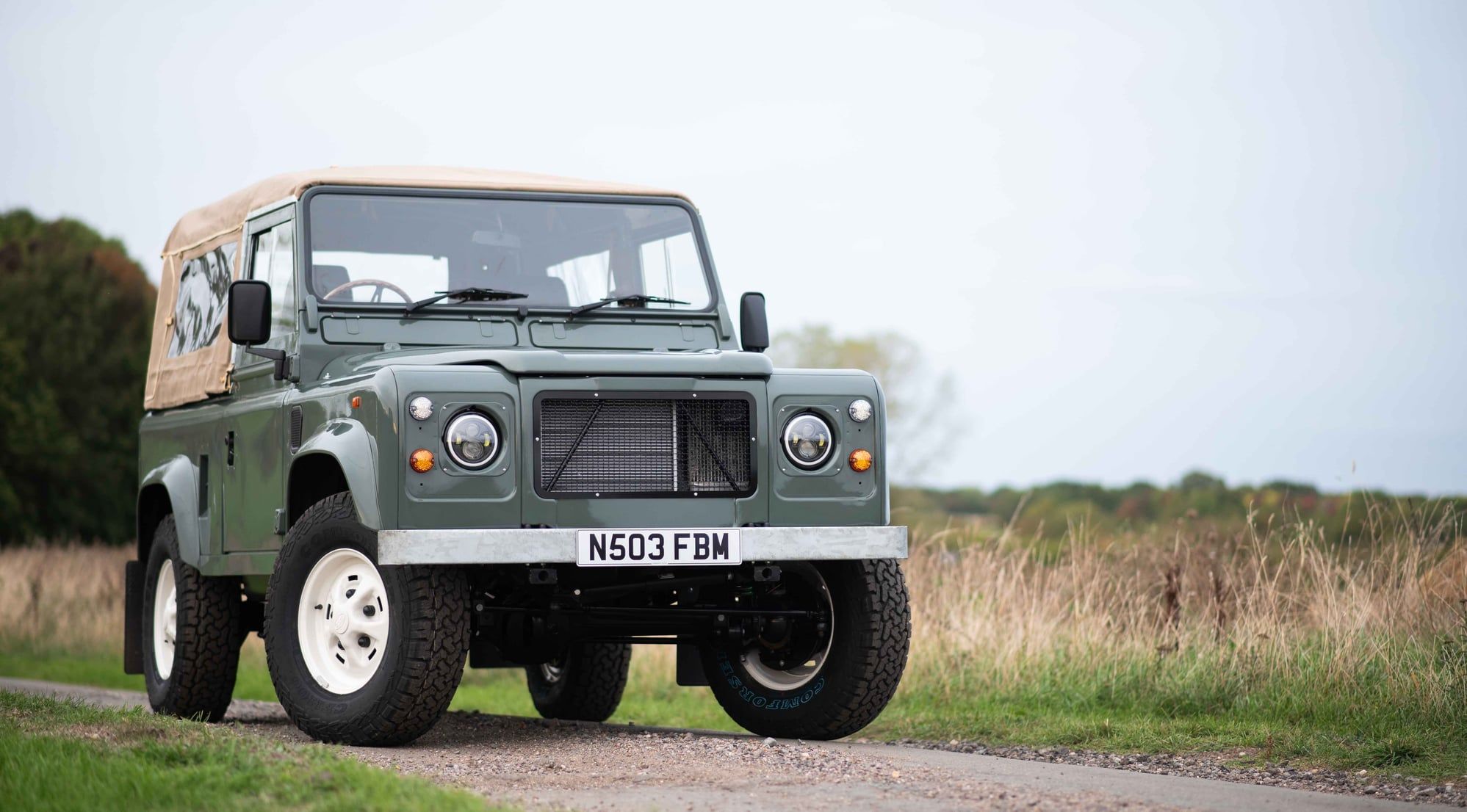
The good news is that most of what makes a car photograph well happens before anyone picks up a camera. Here's how I'd prepare a car for sale — using two very different cars I've photographed around Bedfordshire: a soft-top Land Rover Defender 90 and a Ferrari 296 GTB.
Start with a proper clean — not a quick wash
A camera sees more than you do. Water spots, swirl marks, dust in the panel gaps and brake dust on the wheels all show up, and on a big screen they read as "not looked after".
- Wash and dry it properly. Use a clean microfibre to dry, so you're not leaving streaks for the light to pick out.
- Do the glass inside and out. Hazy windows ruin interior shots and make reflections look muddy.
- Clean the wheels and arches. Buyers look at wheels closely, and dirty arches make even a clean car look tired.
- Dress the tyres — lightly. A satin finish looks cared for. Wet-look gloss looks like you're hiding something.
- Wipe down the engine bay. No need to detail it to show standard, but remove leaves and dust.
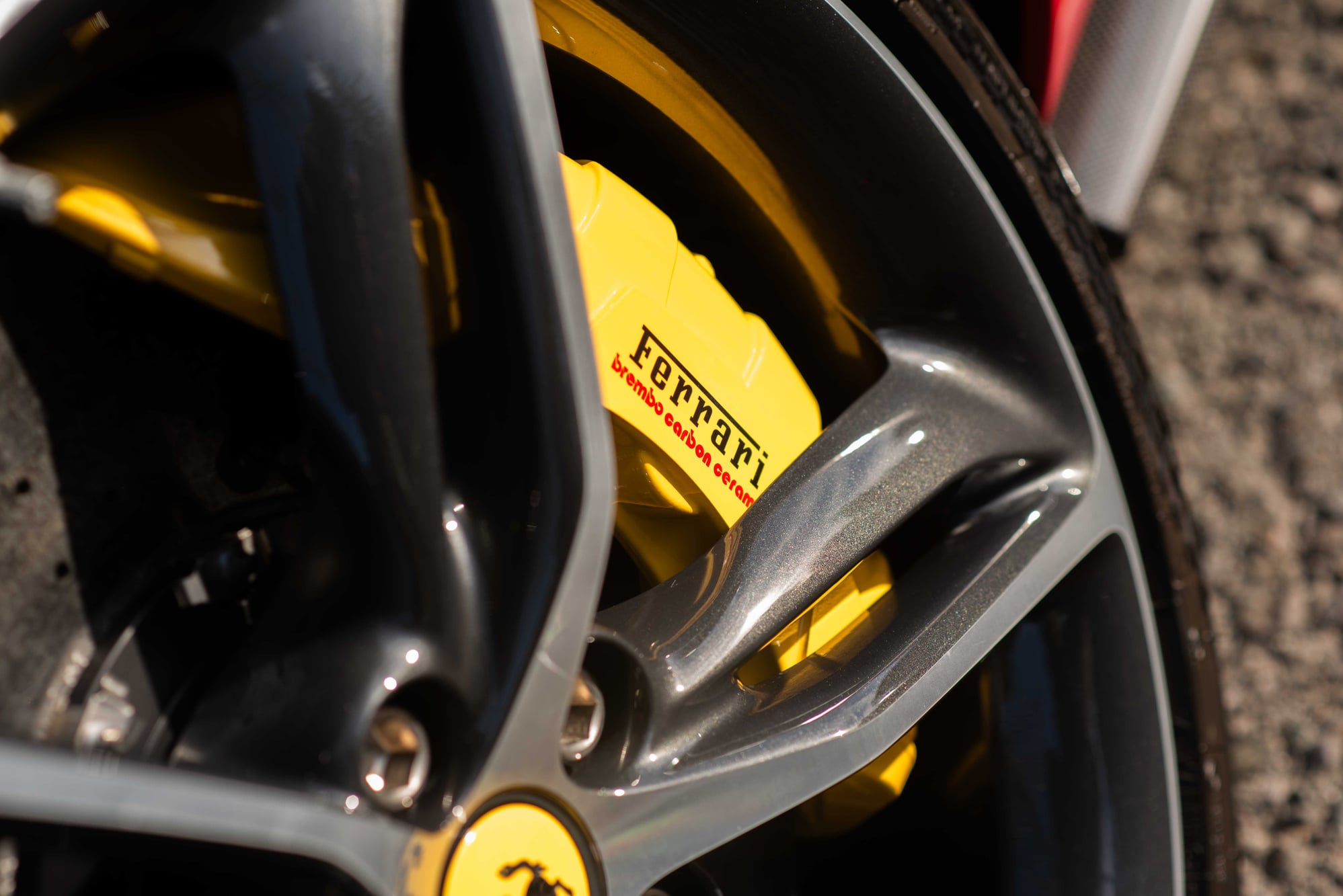
Clean wheels let details like the 296's yellow Brembo calipers do their job. On any car, the wheels are one of the first places a buyer's eye goes.
Empty the car completely
Personal items make a car feel like someone else's. Before the shoot, take out everything that didn't leave the factory with it:
- phone mounts, cables and chargers
- air fresheners, parking permits and toll tags
- anything in the door pockets, cup holders and boot
- seat covers and aftermarket mats, unless they're a selling point
Then hoover properly — including under the seats and in the boot — and set the seats to a neutral position so the interior looks open rather than lived in.
Fix the small things that cost very little
You don't need to spend a fortune, but cheap fixes make a disproportionate difference on camera:
- a blown bulb or a cracked number-plate light
- split wiper blades
- a missing centre cap or valve cap
- a dashboard warning light you already know the cause of
Don't try to hide genuine flaws, though. Stone chips, kerbed wheels and worn bolsters will be found on a viewing anyway, and a buyer who feels misled walks away. It's far better to show them honestly — more on that in what buyers want to see.
Gather the paperwork before the shoot
Paperwork is part of the car's story, and it photographs well when it's laid out neatly. Find the V5C logbook, the service book with its stamps, old MOT certificates and any receipts for work done, along with the spare key and the owner's manual. A history that's been kept together tells a buyer more about how the car was looked after than any description can.
Choose a location that suits the car
The background should flatter the car, not compete with it. Busy streets, other cars, wheelie bins and bright shop signs all pull the eye away — and they reflect in glossy paint.
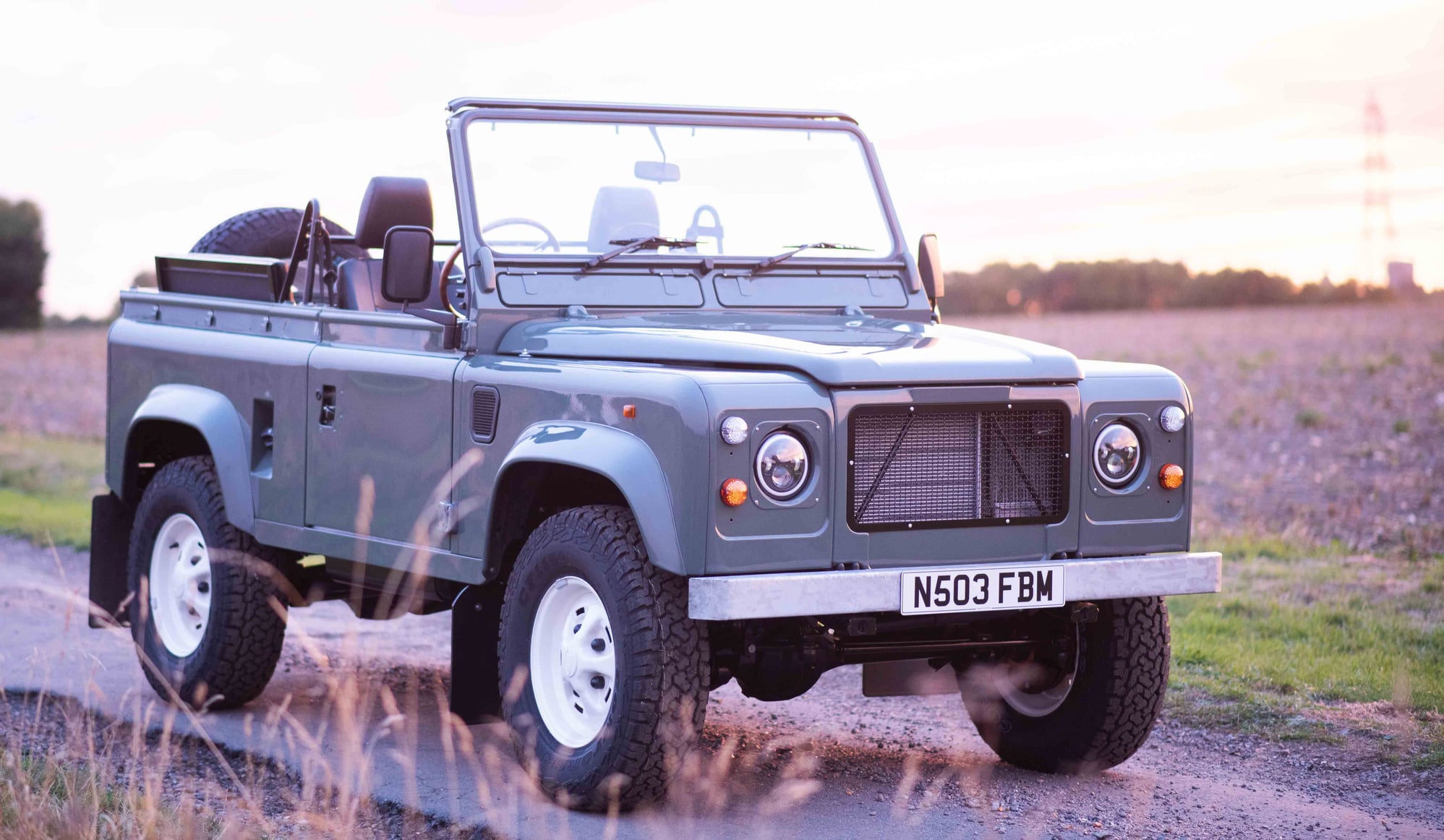
Match the place to the character of the car. A Defender belongs on a country lane or a farm track, where it looks like it's doing what it was built for. A modern supercar suits clean architecture, a long driveway or an open road. And always get permission if you're on private land.
Shoot in the right light
Light makes more difference than the camera. Harsh midday sun throws hard shadows and blows out reflections on the paintwork. The hour after sunrise and the hour before sunset — golden hour — wraps the car in soft, warm light that shows off its shape.
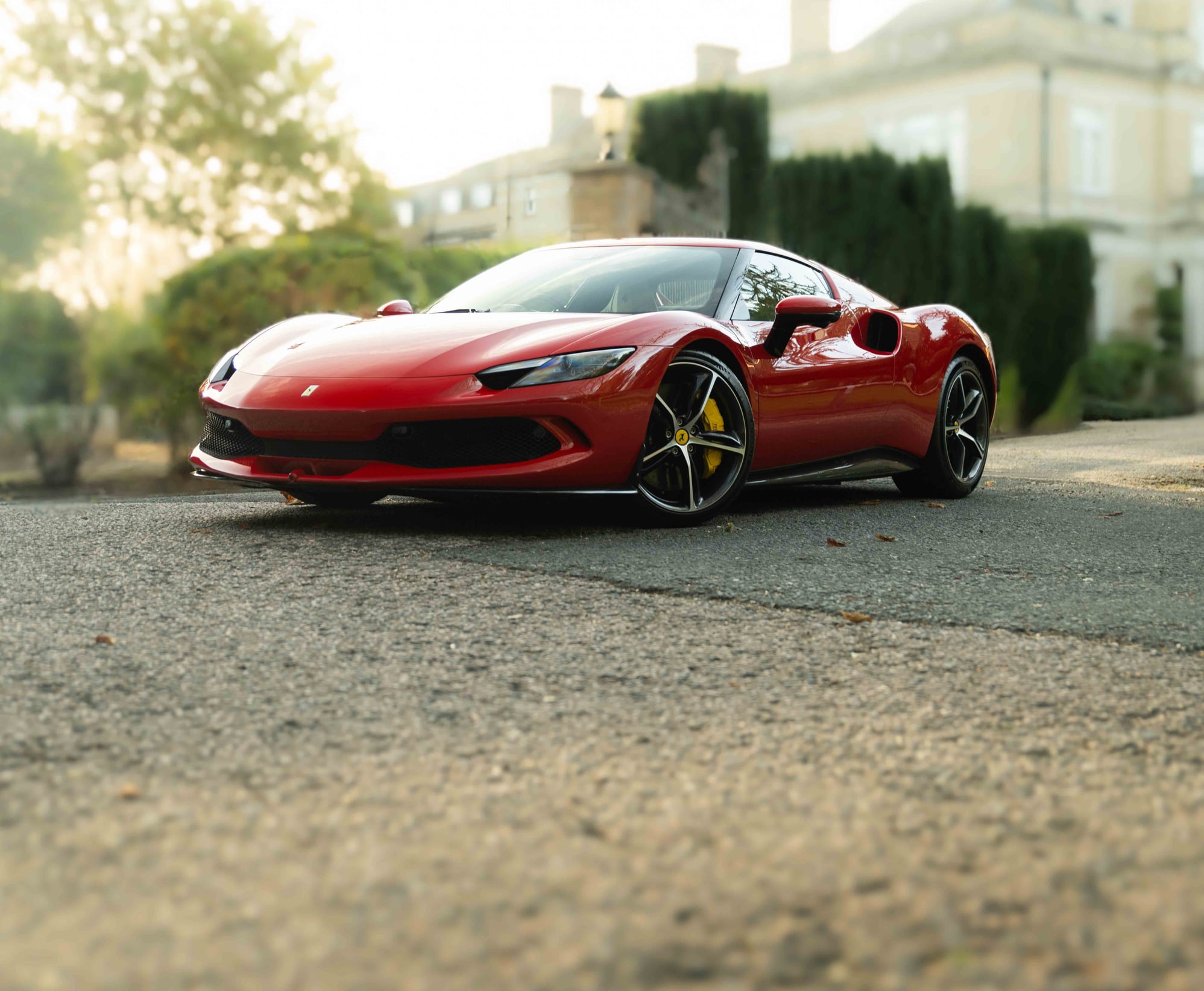
A bright overcast day works well too: the cloud acts like a giant softbox, which is ideal for showing true paint colour without glare. What to avoid is dappled light under trees, which leaves blotchy patches across the bodywork.
On the day: the last five minutes
- Give it a final wipe with a quick detailer to lift dust from the drive over.
- Turn the front wheels slightly, so the face of the rim points towards the camera rather than the tyre tread.
- Line up the centre caps so the badges sit upright.
- Take the keys out of the ignition and anything off the dashboard.
- Decide on the number plate. Many private sellers in the UK show it; some prefer to blur it. Either is fine — just be consistent across every photo.
Phone or professional?
For an everyday runabout, a clean car, good light and a modern phone will get you a long way. For anything where the photos have to work harder — a classic, a performance car, a specialist vehicle or a high-value sale — professional photography pays for itself by bringing in more serious enquiries and fewer time-wasters.
If you're preparing a car for sale in Bedfordshire or further afield, my automotive photography starts from £175, depending on the project. You can see more of my work in the cars portfolio, or get in touch to talk about yours.